
Mustard (Sarson) Mandi Prices in Rajasthan: Live Value Dashboard
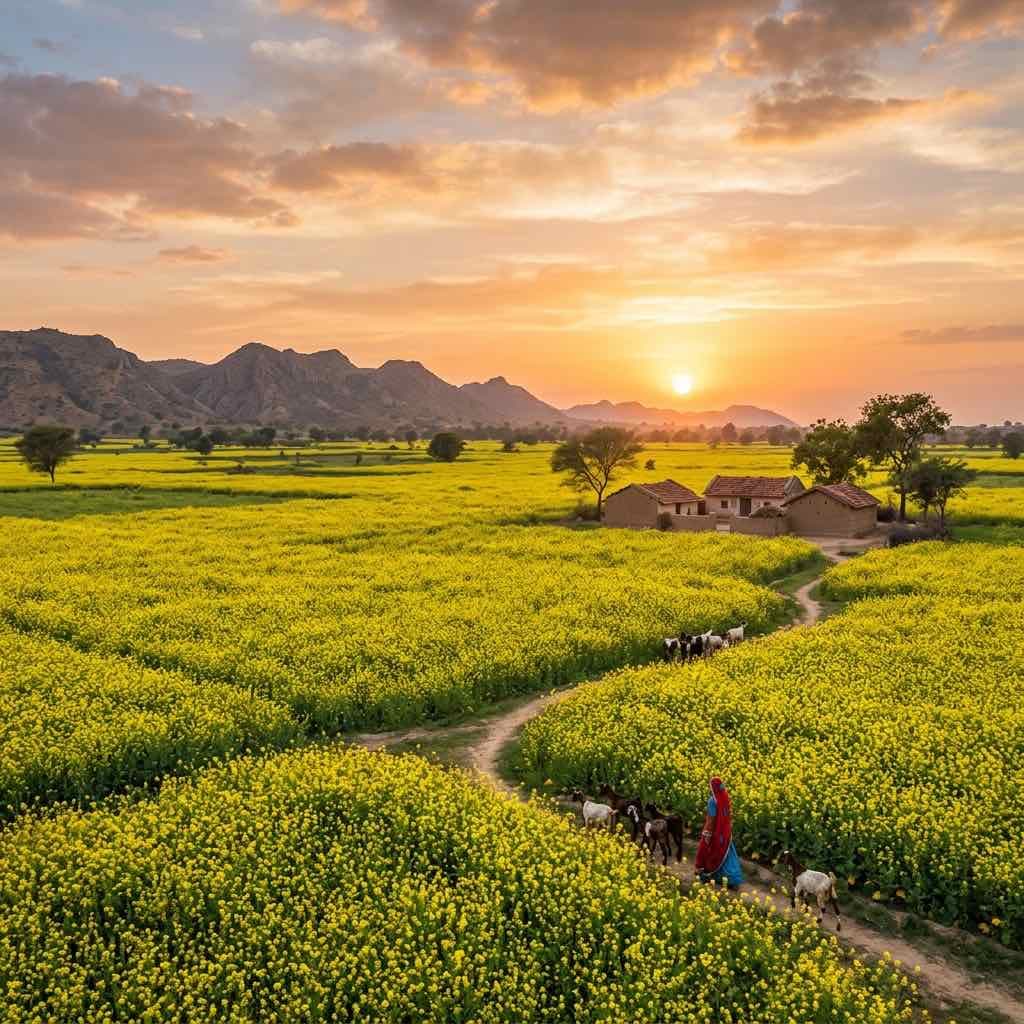
The golden fields of Mustard (Sarson) stretch far across the landscape of Rajasthan, making it the undisputed largest producer of this vital oilseed in India. Cultivating mustard demands immense dedication, and when harvest time rolls around, securing a profitable mandi rate is the central focus for every farmer.
Whether you are dealing in "Kali Sarson" (Black seed) or "Pili Sarson" (Yellow seed), tracking the live today mustard price allows growers to bypass middlemen and engage in completely transparent market trading.
Let's take an analytical look into Rajasthan mandi rates, explore what’s driving the volatility in oilseed markets right now, and check out instantly updated rates from top trading districts.
The Ecosystem of Sarson in Rajasthan
Rajasthan commands an overwhelming share—close to 45%—of India’s total mustard production. Districts like Bharatpur, Alwar, Sriganganagar, and Kota are practically built around robust trading networks tailored for this crop. The harvest window generally kicks off by late February and peaks during late March into April.
Crucially, mustard isn’t just sold as whole seed. Since it’s a dominant edible oil source in North India, the entire pricing ecosystem is heavily anchored to the national and international demand for edible oils—as well as the residual "khali" (mustard cake) used intensely for cattle feed and fertilizer.
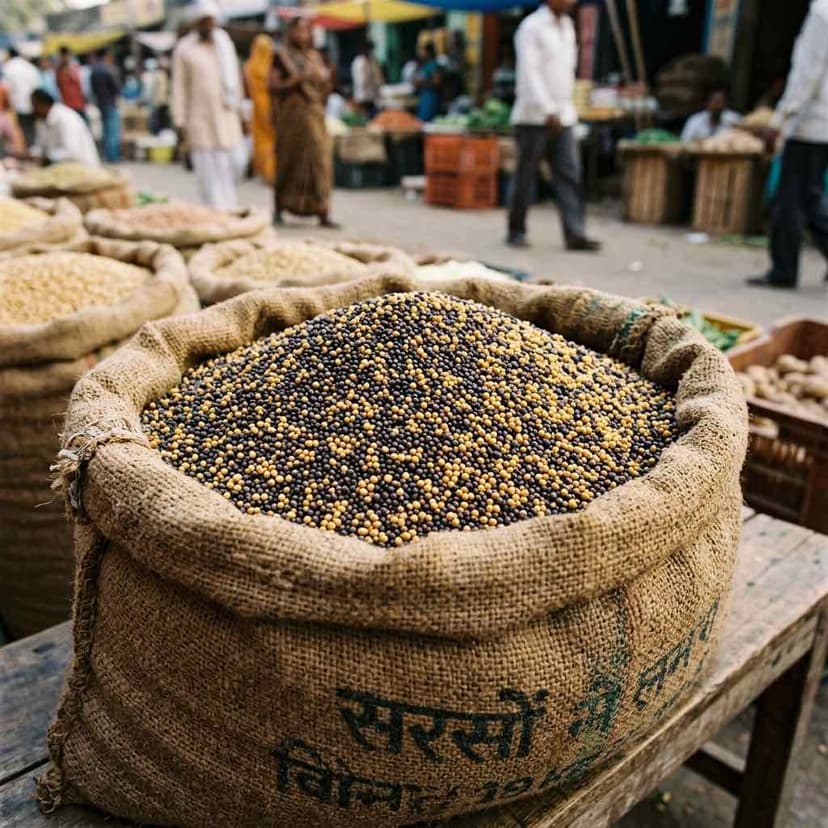
Top Mustrad Markets (Mandis) You Should Observe
Bharatpur District Mandis
Often dubbed the "Mustard Capital," the Mandis here dictate baseline pricing for massive commercial oil extraction plants.
Alwar Anaj Mandi
Features an immense daily turnover. Known for fierce competitive purchasing from private millers during peak season.
Sriganganagar Markets
A top northern logistics hub. The crop quality sourced here is famously noted for superior oil content.
Kota Mandi
Pillars the broader Harauti region’s agricultural supply, offering high volumes and robust government procurement avenues.
Real-Time Mustard Mandi Rates (Live)
Unlocking Price Analytics & Yearly Charts
Relying on guesswork gets farmers nowhere in today’s digitized trading era. By utilizing the MandiToday website, farmers can visually track historical trends, predict pricing swells, and identify exactly which mandis are fetching the premium rates.
- 30-Day/1-Year Maps: Gain crystal-clear visions of the volatility cycles.
- Market Dominance: Filter to isolate top-performing Rajasthan auction hubs directly from your screen.
📊📈
Interactive analytics are available inside the App & View Commodities screen.
What Affects Sarson Prices Globally?
Mustard isn’t isolated; the Indian market behaves closely to the international movements in alternative edible oils like Soyabean, Sunflower, and Palm Oil.
🌴
Edible Oil Tariffs
Government duties on import of Malaysian Palm Oil drastically toggle the national demand for domestic mustard oil.
🏭
Mill Crushing Demand
High festive seasons usually demand increased oil extraction pushes, incentivizing millers to bid ferociously for seeds.
💧
Crop Quality & Oil %
Grains containing standard oil percentage levels (averaging 42%) fetch significantly better and uncompromising prices.
Ready to Maximize Your Earnings?
Knowledge is your highest yield! We strongly suggest growers double check the latest prices directly against adjoining mandis before transacting.
Frequently Asked Questions About Mustard (Sarson) Prices
Q.What is the current rate of Mustard (Sarson) in Rajasthan mandis today?
Based on live mandi arrivals from 20 active mandis, the average modal price of Mustard in Rajasthan today is ₹8,264/quintal. Prices range from ₹7,500 to ₹9,100 depending on variety and oil content.
Q.Which mandi in Rajasthan recorded the highest mustard rate today?
The highest recorded price today is ₹9,100/quintal at Todaraisingh mandi in Rajasthan. Premium rates are paid for seeds with oil content exceeding 42%.
Q.How do edible oil import tariffs affect domestic mustard prices?
Import tariffs on Malaysian Palm Oil and sunflower oil directly affect domestic mustard prices. Higher import duties make foreign edible oils costlier, boosting domestic crushing demand and lifting mandi rates for mustard farmers.
Q.When is the best time to sell mustard for maximum returns in Rajasthan?
While peak arrivals flood mandis between February and April bringing temporary price dips, prices historically firm up during the festival season (August to November) as mustard oil demand peaks across North India.