
Ghee Wholesale Price Today: Live Desi Ghee Rates
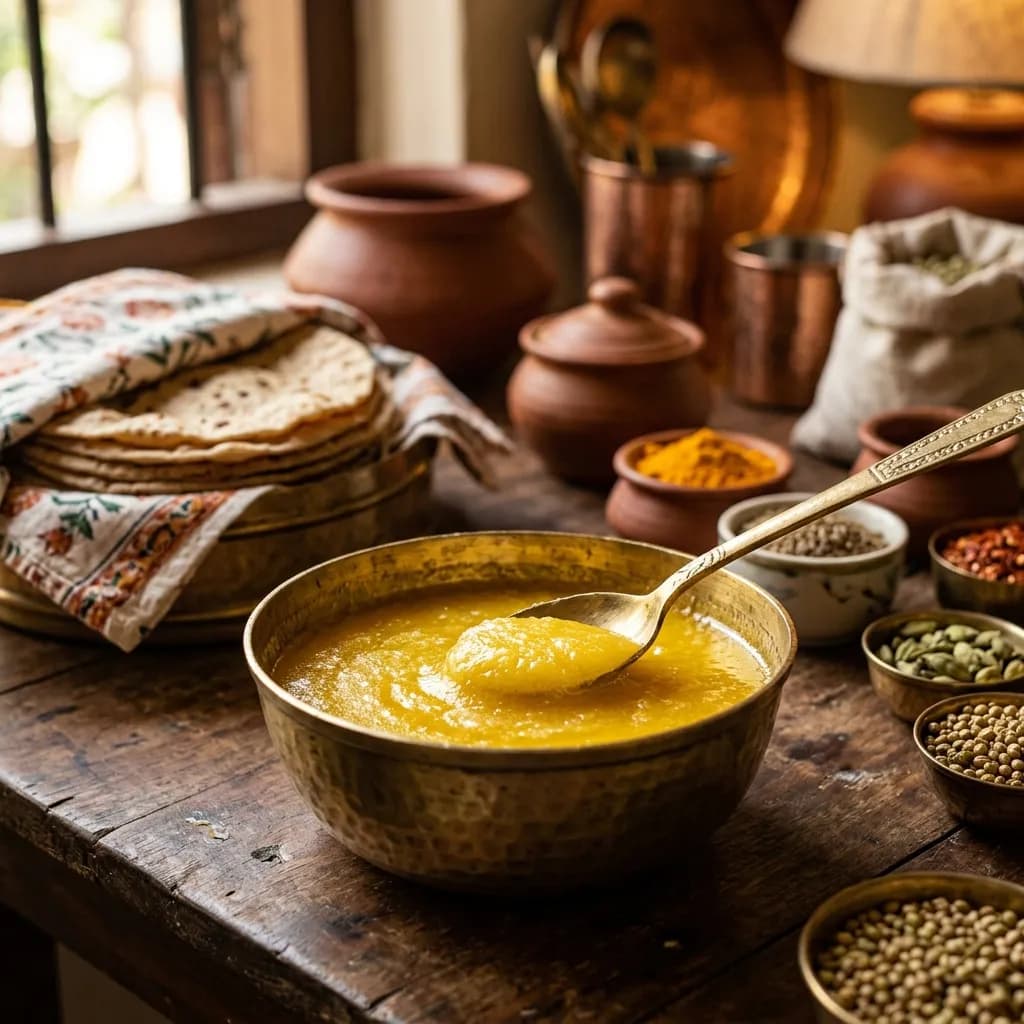
Ghee, or clarified butter, is considered 'liquid gold' in Indian culture. Deeply rooted in Ayurvedic traditions, it is not just a cooking medium but a symbol of purity, nourishment, and prosperity. From daily meals to sacred religious ceremonies, ghee is an indispensable part of Indian life.
India is the world's largest consumer and producer of ghee. The market spans from large-scale commercial dairy brands producing thousands of tons to local unorganized sectors producing premium 'A2 Bilona' ghee. Tracking wholesale ghee prices is essential for sweet manufacturers, restaurants, caterers, and the retail FMCG sector.
Types of Ghee in the Indian Market
🐄 Cow Ghee (A1 & A2)
Cow ghee is highly preferred for its yellow color and purported health benefits. Standard commercial cow ghee is made from mixed milk (mostly A1). Premium 'A2 Ghee' is extracted exclusively from indigenous Indian cow breeds (like Gir, Sahiwal) using the traditional Bilona (curd churning) method, commanding significantly higher prices.
🐃 Buffalo Ghee
Buffalo ghee is distinctly white and has a thicker, more granular texture compared to cow ghee. Because buffalo milk has a significantly higher fat content, it yields more ghee per liter. It is heavily utilized by the commercial sweet (mithai) industry, caterers, and households looking for richer flavor and better shelf life.
Who Consumes Wholesale Ghee?
🍬 Sweet Manufacturers
The sweet industry (Halwais) is a massive consumer of wholesale ghee. Premium sweets like Laddoos, Mysore Pak, Soan Papdi, and Barfis demand pure ghee. Buffalo ghee is often preferred here due to its texture and lower cost.
🍛 HoReCa Sector
Hotels, Restaurants, and Caterers (HoReCa) purchase ghee in bulk 15kg tins. Ghee is essential for tempering (tadka) dals, cooking rich gravies, preparing biryanis, and making flatbreads like parathas.
🏛️ Temples & Institutions
Major religious institutions procure huge quantities of ghee for daily lighting of lamps (Diyas), performing Yagnas/Homas, and preparing massive scale Prasad (like the famous Tirupati Laddoo).
What Drives Ghee Prices?
Ghee prices are relatively stable compared to vegetables but are influenced by macro dairy trends:
- Raw Milk Prices: Since ghee is entirely a milk derivative, any increase in cattle feed costs, fodder shortages, or organized dairy milk procurement prices directly pushes ghee prices up.
- Seasonal Flush vs Lean Periods: Milk production in India has a 'flush' season (winter/spring) where production peaks, leading to softer ghee prices. During the 'lean' summer season, milk output drops, often hardening ghee rates.
- Festive Demand Surge: Wholesale ghee prices typically see an upward trend starting from Raksha Bandhan, continuing through Navratri and peaking around Diwali, driven by immense demand from the sweet and bakery sectors.
- SMP & Butter Markets: Global and domestic prices of Skimmed Milk Powder (SMP) and White Butter dictate how much milk dairies divert toward ghee production versus other products.
🧈 Live Ghee Wholesale Rates Today
View Full DataFrequently Asked Questions About Ghee Prices
Q.What is the wholesale rate of Ghee today?
Based on live data from 20 mandis, the average Ghee wholesale price today is Rs 58,015/qtl. Rates range from Rs 3,401 to Rs 71,500. Note that ghee prices are often quoted per kg or per 15kg tin in local markets.
Q.Why is A2 cow ghee so expensive?
A2 ghee is made exclusively from indigenous Indian cow breeds using the traditional Bilona method (churning curd into butter, then melting it). This method is highly labor-intensive and yields very little ghee (approx. 25-30 liters of milk makes 1 kg of ghee), leading to retail prices that can range from Rs 1,500 to over Rs 3,000 per kg.
Q.How is Ghee priced in wholesale markets?
While our tracker shows prices per quintal (100 kg) for uniformity, physical wholesale markets (mandis) often trade commercial ghee in standard 15 Kg tin cans. Major branded ghee (like Amul, Mother Dairy) sets the benchmark, while loose/local dairy ghee trades at a slight discount.